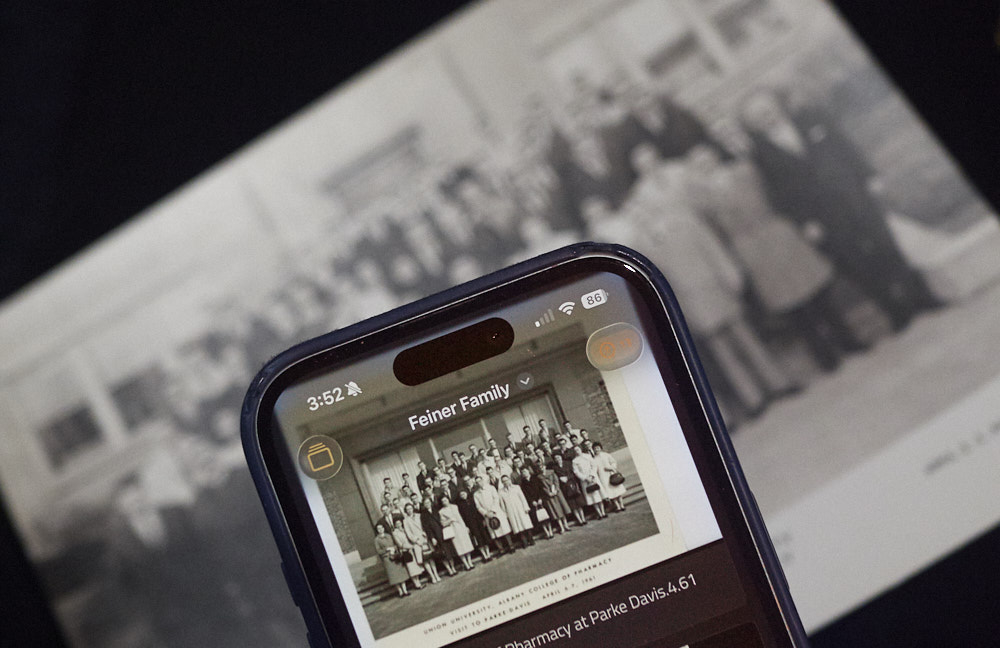
I'm openly sharing the digital platform made while cataloging, conserving and making visible what my parents left when they died.
Try Me!
Drop up to 10 image,picture_as_pdf
here - or - click to upload
Who it's for
The Archivist
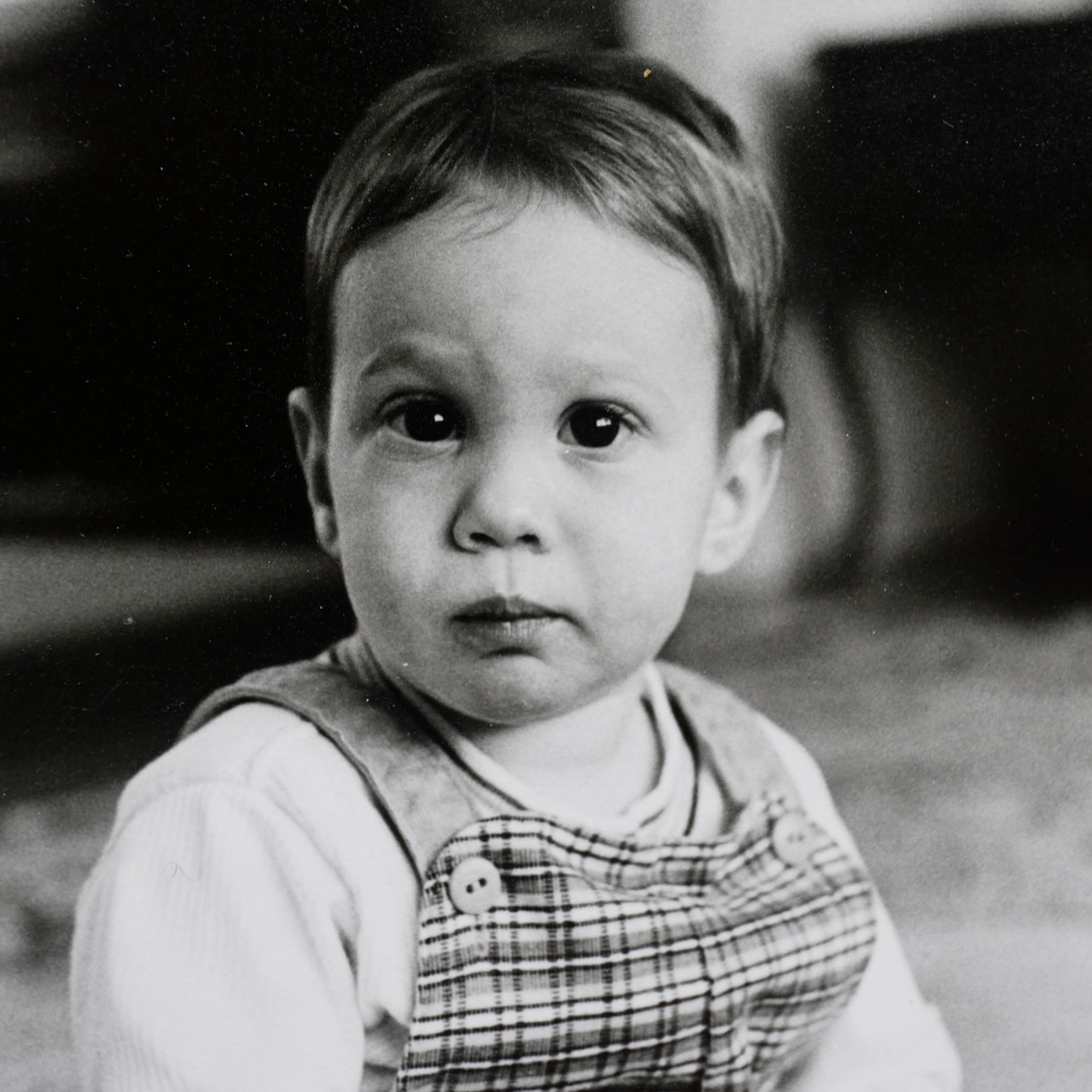
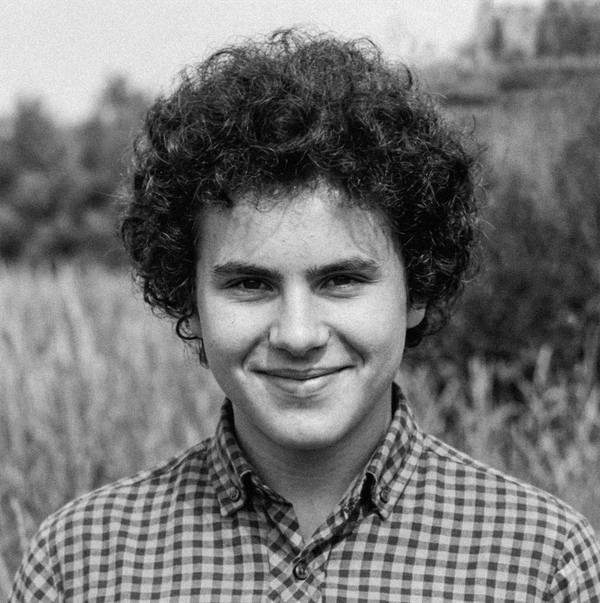
Jeremy (Me), 1976Jeremy (Me), 2026
In conserving boxes of stuff from your parents and grandparents, you photograph or scan everything. I use Archivist to find the story behind a detail or clue. I use Archivist to share discoveries with the family. I use Archivist to track where the real stuff is, for everyone.
The Inheritors
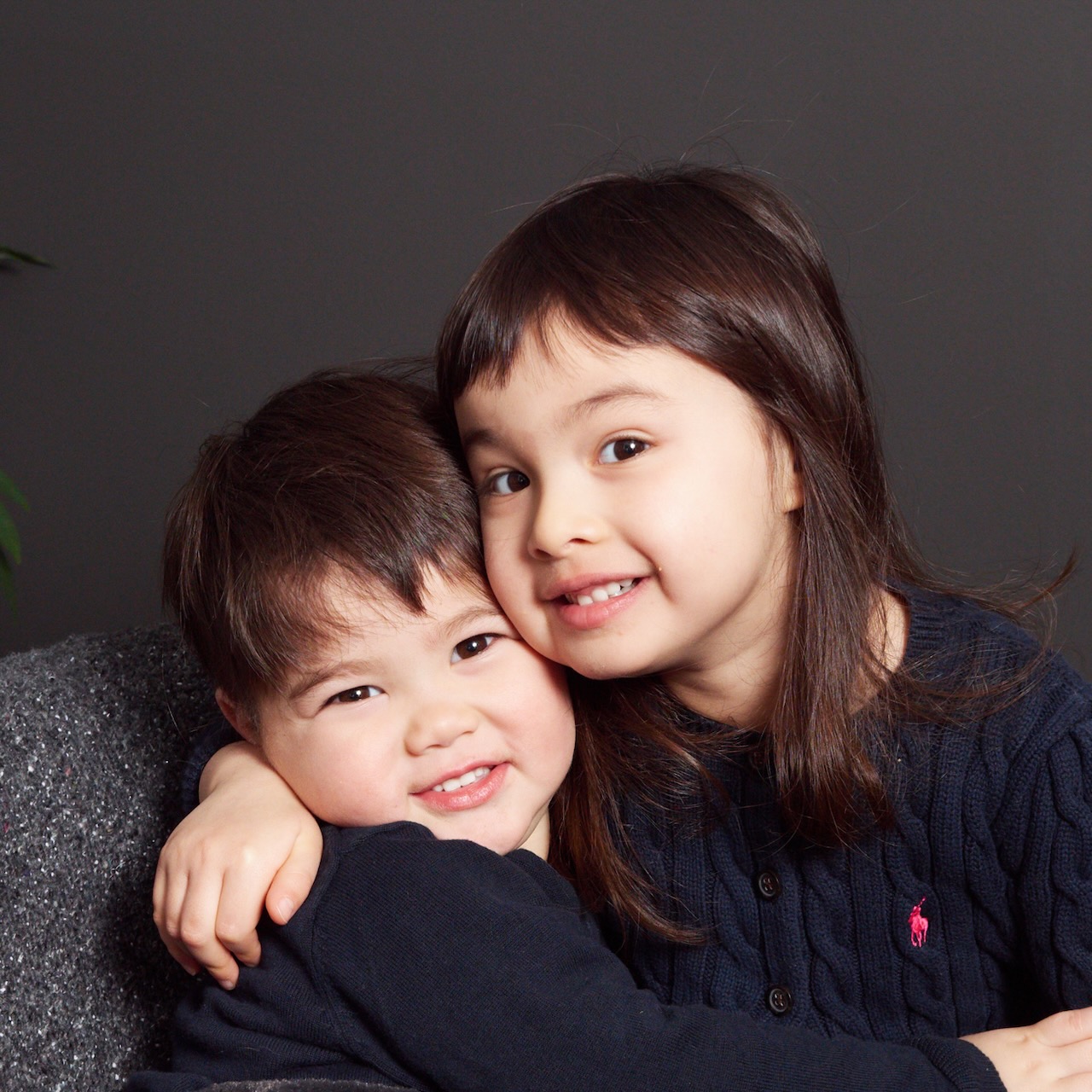
S & Z, ages 2 & 4, 2017
Anne and Jon want to know stuff isn't lost, but won't travel to see it. Kids or grandkids who never learned cursive (or German) can read Aunt Rose's letters in English.
The Storytellers
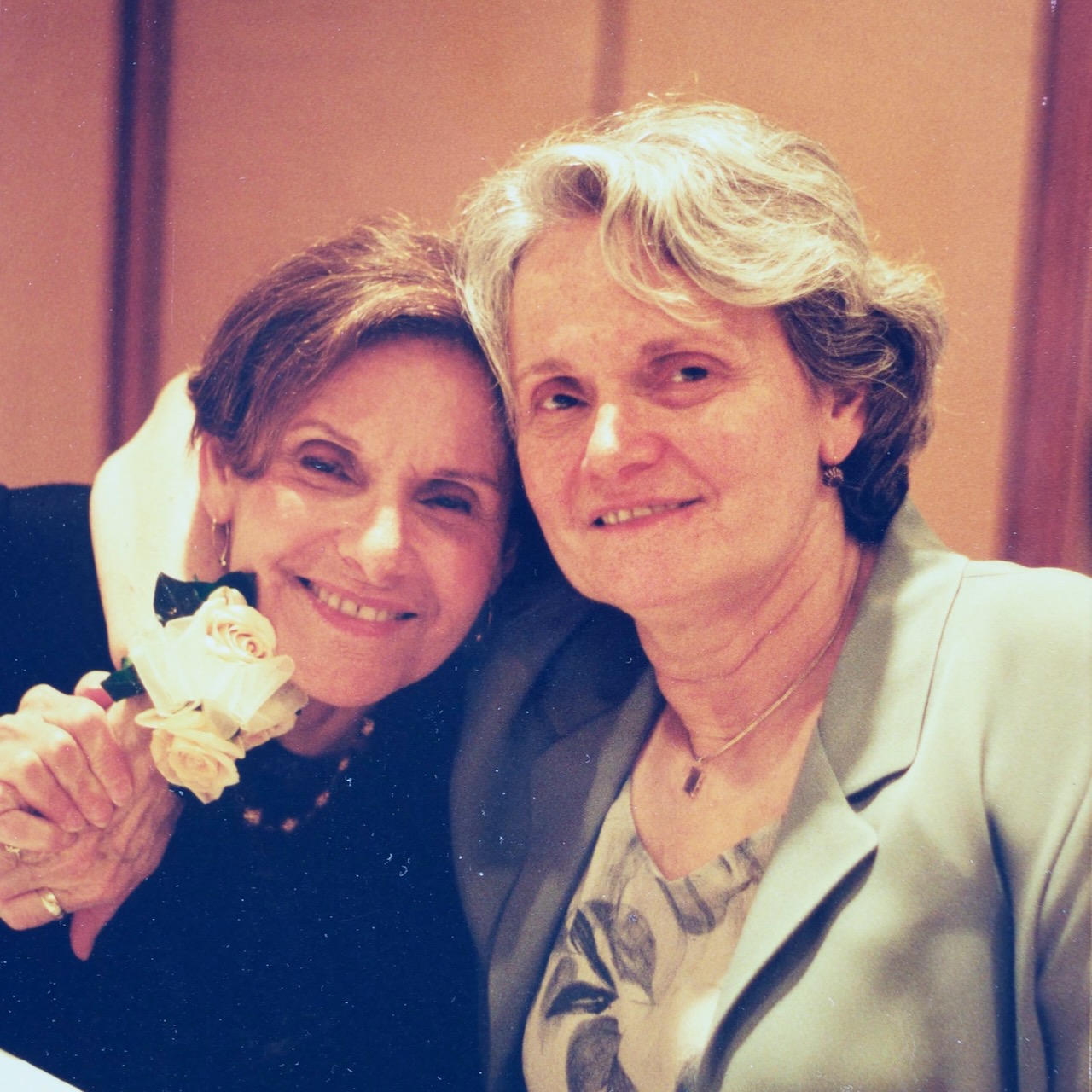
Reggie, 1959Reggie & Mom in happier times, 2010
Aunt Reggie or cousin Howard tell stories when prompted with a picture or document. Archivist helps apply stories to understand other works.
Current Features
Optimized for physical and pre-digital artifacts: The Kodak 110 photos where faces are a blurry mess. The aerogram crammed with cursive.
Transcribe
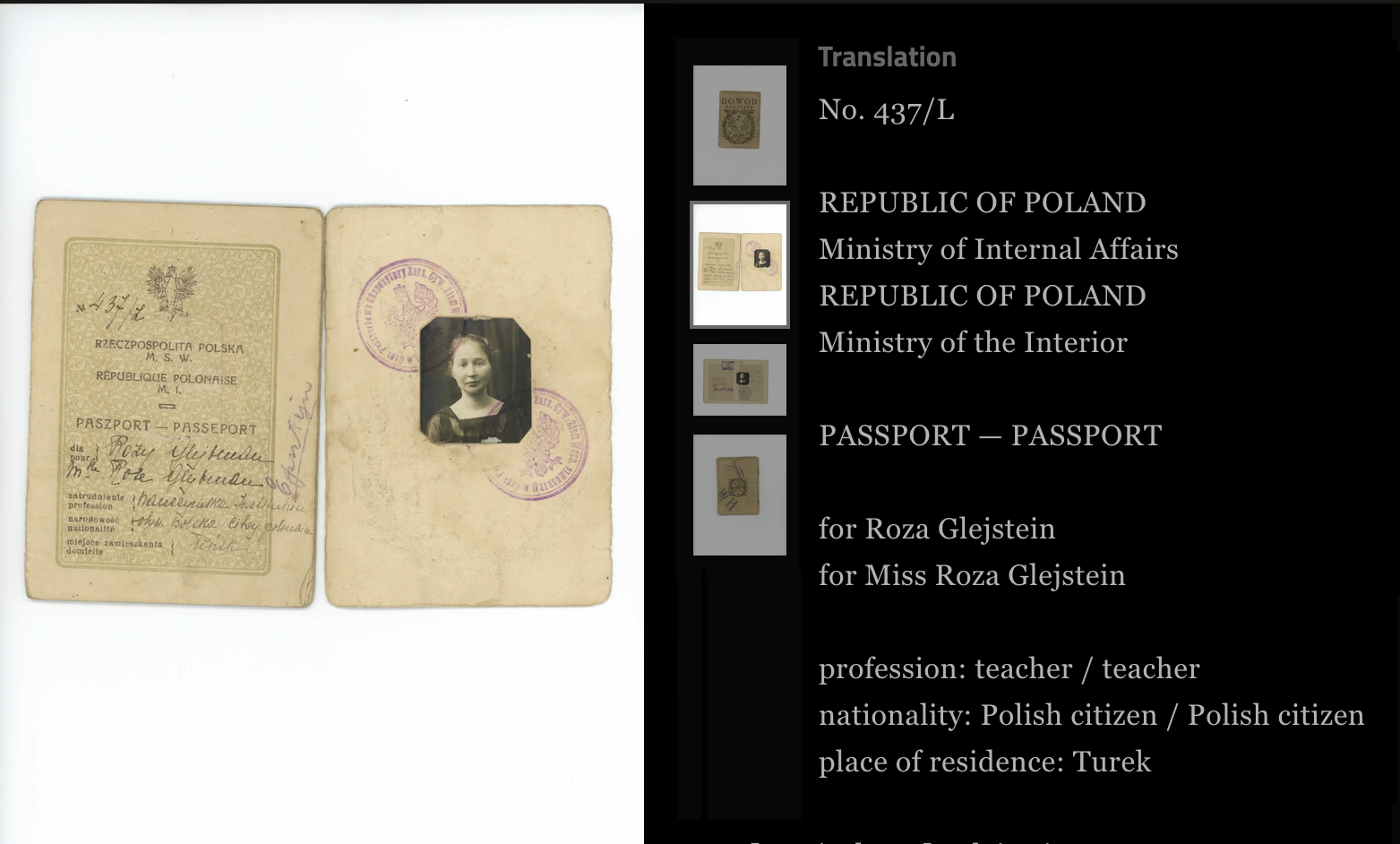
Transcribes cursive and printing, then translates to English (currently).
Group
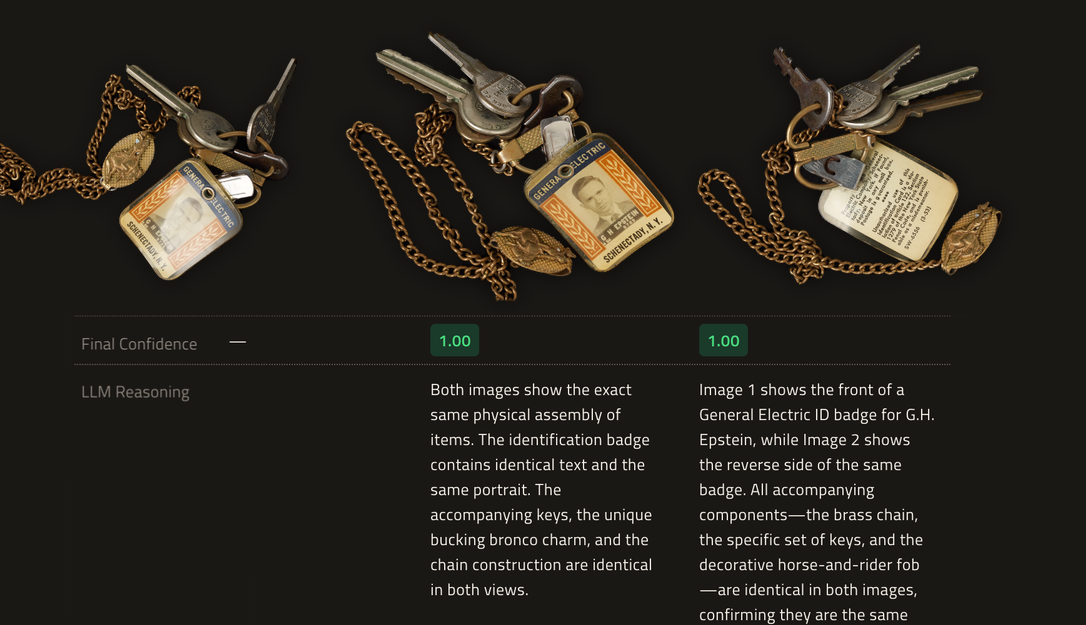
Detects and combines related images into a work: 3 photos of a keychain. 4 scans of an aerogram → the letter.
Digitally Restore
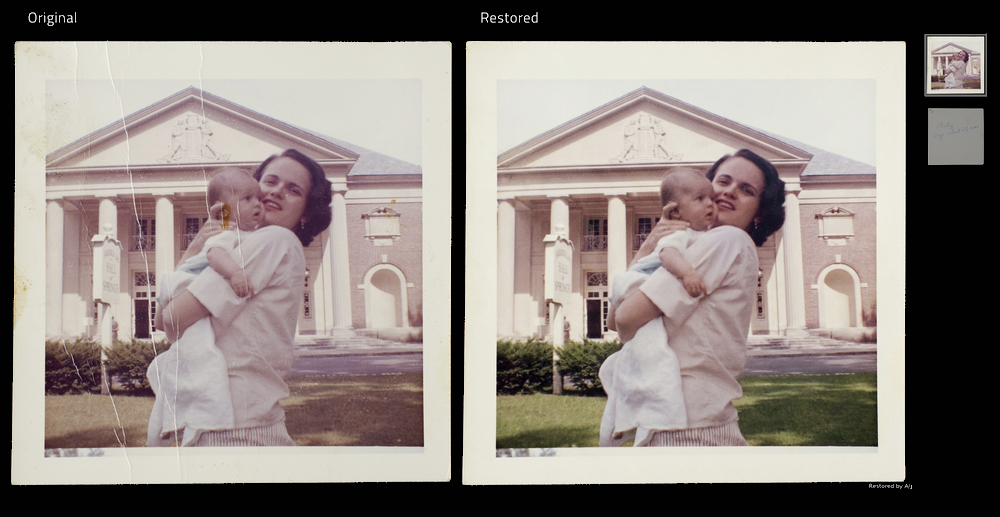
Remove cracks, restore faded colors, repair some kinds of tears and inkspots.
Date
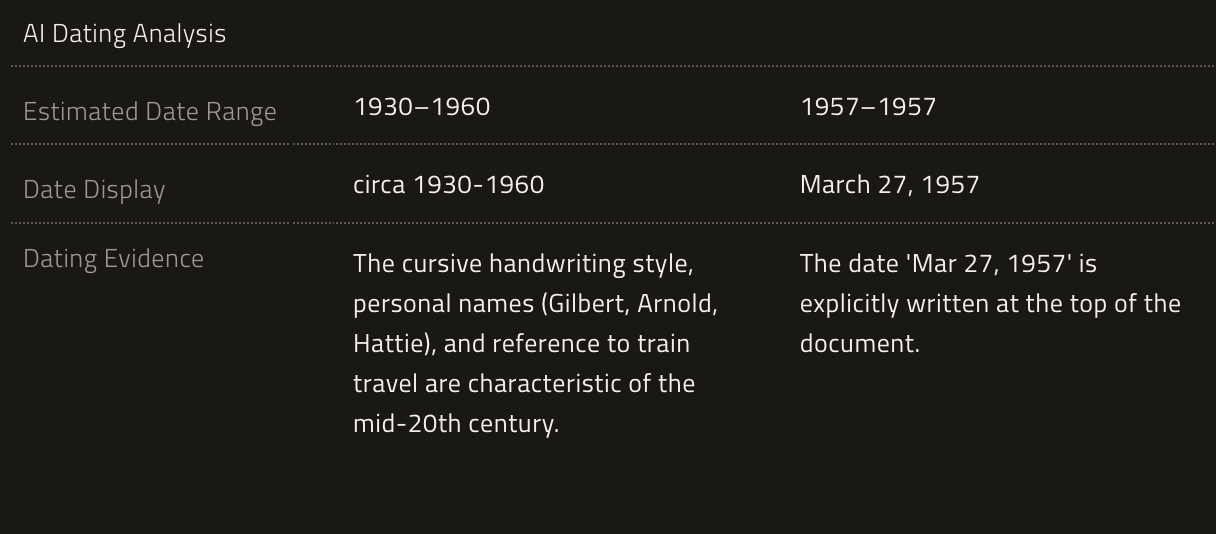
Uses inscriptions, makers marks, hairstyles, framing, clothing, cars, architecture, and printing or drawing style to date a work.
Use your phone as your copystand
download
iOS The iOS app turns your phone into a precision copystand — capture documents and artifacts in high quality anywhere.
Upload images, we do the rest.
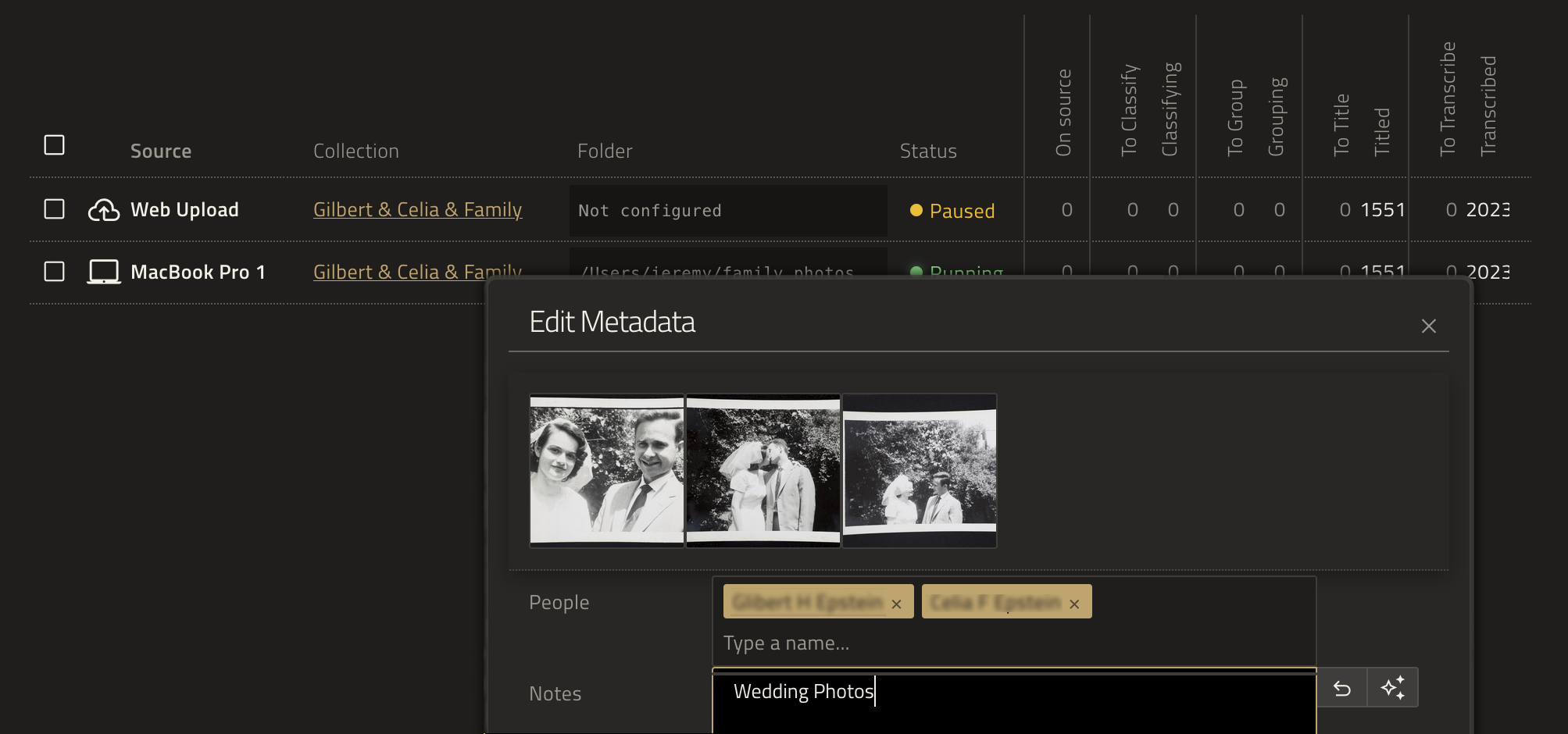
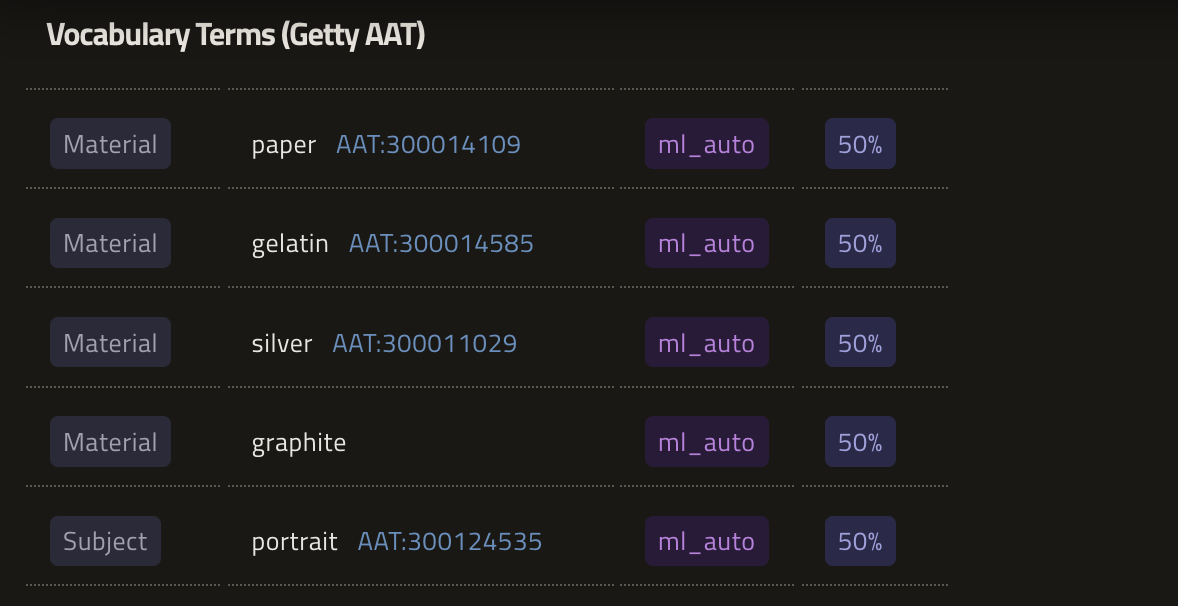
Fully automated processing. For most tasks the AI is 80–90% accurate: quickly correct errors using our bulk editor.
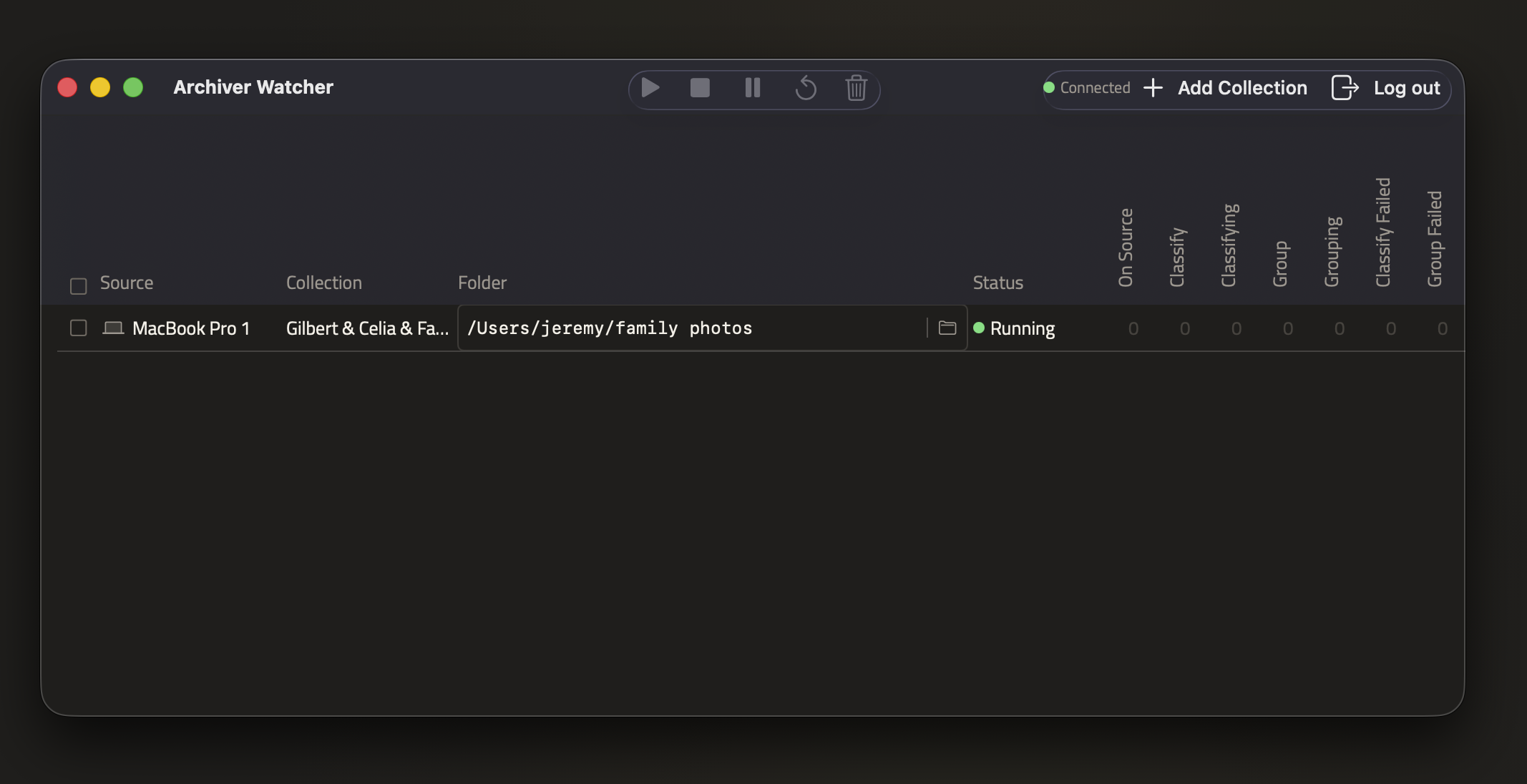
Bulk upload on macOS
Watch folders as you shoot or scan. Point to a folder of existing pdfs or images to upload.
Don't make it hard. Just drop in images or point us to the folder where you save scans or tether your camera. We automate as much as possible.
An antidote to the software rental economy. Our roadmap will strive to ensure that the value we create is saved to your computer or phone — translations, restorations, backups. This isn't a project to rent cloud storage or token costs under the guise of providing value. Ideally when you're done with us, you still have your stuff.
Keep costs low. Even open source costs to run. Anyone using a foundation model must pay for tokens. Ideally we pare costs to the bone.
Don't burn tokens. Probably the hallmark of AI software slop and agentic systems is their voracious inefficiency. We try to use everything we know of software engineering to avoid inefficient architectural choices, to rely on good preprocessing, and to push as much on client-side libraries as possible.
Use tech for its strengths. We do use ML and AI and all the buzzwords: technically we use them for classification, grouping, translation, and restoration — uses where models tend to perform as well or better than prior algorithms.
Give people power, don't eliminate their jobs. Archivist never replaces what real archivists do, because they actually solve very different problems: provenance, ownership, physical conservation, lending, etc. There is a lot of professional software for them, with prices to match. What we do is give regular folk something they would not be able to use or afford — a useful slice of the expertise of professionals.
Roadmap — where Archivist is going
Local file sync. Anyone connected to a collection via the macOS Watcher app will automatically sync all digitized and restored images, all translations and transcriptions. Each digitized image will include an EXIF payload including attribution and metadata readable by the photo organizer of your choice.
Work browsing on macOS app. Bring parity between iOS and macOS apps.
Serverless hosting. More BitTorrent than Dropbox. This alone dramatically reduces the cost and complexity for users who want to "run their own." Execution is quite complicated, but philosophically you can't talk about eliminating a "rental" attitude and keep a heavyweight server.
Constantly improve the human interface. There are many little bits of friction — hang in there, and speak to us! A year from now Archivist should work the way people expect. It's never 100%. My background is in human-computer interaction (HCI): HCI came before the buzzwords of UX and CX, before virality, engagement and conversion, before dark patterns and design systems. Some of us came from the intersection of human factors, cognitive psychology, and art. We arrived for the purpose of making computing helpful.